
Table of Contents
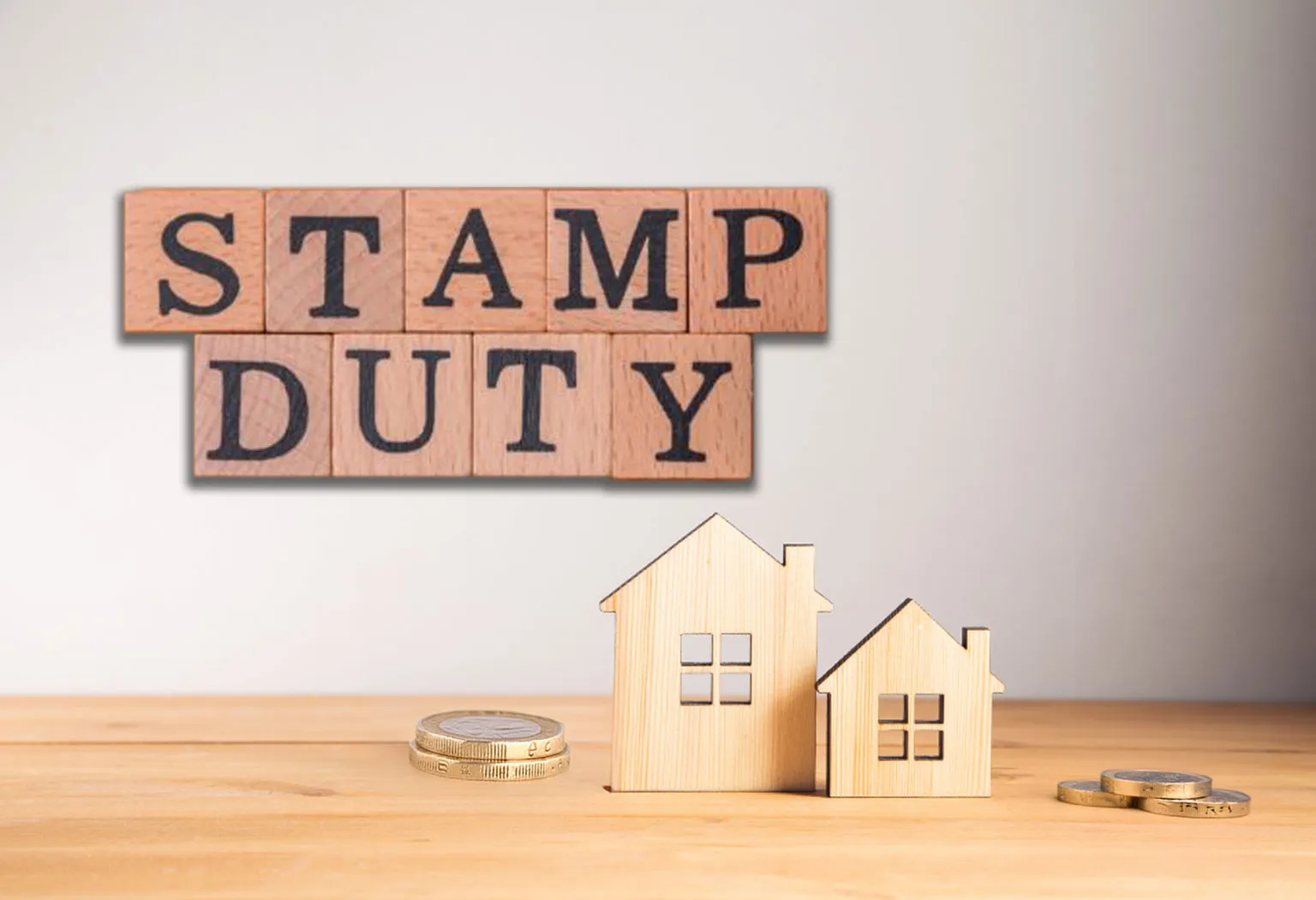
UK stamp duty, known as Stamp Duty Land Tax in England and Northern Ireland, is charged when you buy property or land over a set price. Purchasing a property in Northern Ireland or England in 2026? You will need to pay stamp duty land tax (SDLT). The stamp duty needs to be settled within 14 days of completing the process. Tax calculations are, in this case, completed in a tiered manner. The stamp duty latest rates remain unchanged from 2025.
Since SDLT has significant implications on the cost of buying a home, reducing stamp duty should be strategically planned with the help of professional tax advice.
Stamp Duty Meaning UK: Latest Stamp Duty Rules
Stamp Duty is the tax that has to be paid while purchasing land or residential property in Northern Ireland and England, provided the purchase price exceeds certain price points. It is paid to HMRC
In which cases do the stamp duty rates 2026 apply?
It applies to freehold and leasehold properties (new or existing), second homes, shared-ownership purchases, and buy-to-let investments. The SDLT is always paid by the buyer and not the seller, and even if there’s no outstanding, an SDLT return needs to be submitted.
Note – We will discuss the applicable SDLT in England and Northern Ireland in 2026. The Land and Buildings Transaction Tax (LBTT) is applicable in Scotland, and the Land Transaction Tax or LTT is applicable in Wales.
Stamp Duty Laws UK
1. What Amount of Stamp Duty Needs to be Paid?
The amount depends on factors like –
- Purchase price of the property
- Residential or non-residential property
- First-time buyer SDLT exemptions and relief
- Second property purchase
Tiered System of Calculating Stamp Duty
In the United Kingdom, SDLT is calculated as per a tiered system. In other words, there is no one flat percentage on the total purchase price. Different rates apply as per different brackets of the total amount of the property.
For example, for a property purchased at the price of £300,000, as per the new stamp duty rules, you will not pay a fixed rate on the entire amount. Instead, the stamp duty will be broken up like –
- Up to a certain band, 0%.
- For the next band, 2%.
- For the remaining band, 5%.
Standard UK House Stamp Duty in 2026
In case of purchasing residential properties in Northern Ireland and England, the following thresholds apply (these thresholds have been in place since 1 April 2025) –
| Purchase Price Band | Stamp Duty Percentage UK |
| £1 – £125,000 | 0 |
| £125,001 – £925,000 | 5 |
| £925,001 – £1.5 million | 10 |
| Beyond £1.5 million | 12 |
First-Time Home Buyers: What SDLT Rules Say?
If you are buying a home for the first-time in the UK (Northern Ireland and England), you may get the benefit of a higher tax-free threshold. However, in 2026, the stamp duty-free for first-time buyers is not as generous as it was in 2025.
As a first-time buyer, you enjoy benefits like –
| Purchase Price Band | Stamp Duty Percentage UK |
| £1 – £300,000 | 0 |
| £300,001 – £500,000 | 5 |
| Beyond £500,000 | Standard rates apply. There is no relief for first-time homebuyers |
Who is a first-time homebuyer to avail the benefits?
As a first-time homebuyer, you should not have ever owned a residential property across the globe. You cannot have inherited any property or should never have received a gift. Joint
purchase is also not acceptable.
Additionally, to get stamp duty relief, the property should be your main and only home. You also need to reside in the place.
Stamp Duty Guidelines 2026 For Second Home Purchase & Buy-to-Let Properties
The SDLT reliefs decrease when you buy a second property. This means that you pay more stamp duty when you already have a residential property and buy another one. Property investors should also understand the potential Capital Gains Tax implications when selling an investment property in the future.
| Purchase Price Band | Stamp Duty Percentage UK |
| £1 – £125,000 | 5 |
| £125,001 – £250,000 | 7 |
| £250,001 – £925,000 | 10 |
| £925,001 – £1.5 million | 15 |
| Beyond £1.5 million | 17 |
Note – In case you are selling your main residence and buying a new one, you save on stamp duty with no surcharge. A refund can be claimed if you have still not sold your home but plan to do so in the next 36 months.
Remember, the surcharge on stamp duty for buying a second home can increase your bill substantially, making financial planning an important part of budgeting for your property purchase.
Claiming A Refund on a Second Home
In certain circumstances, you can claim a refund on stamp duty on a second home. For example, if you have not yet sold your main residence and are buying a new property. In this case, you will pay the 5% surcharge as you have two properties temporarily. If you sell your main home within 36 months, you can claim a refund of the 5% surcharge.
The refund can be claimed within 1 year of the sale of the main residence or 1 year of filing the SDLT return after the purchase of the new property, whichever is later. Only the 5% surcharge is available for refund.
Stamp Duty Exemption UK
To reduce your stamp duty payable, there are certain exemptions from stamp duty. In such cases, there is no stamp duty. Some of the popular reliefs include –
- First-time Homebuyer Relief – There’s a zero percent threshold for the first band.
- Property Transfer – When property is transferred between spouses/ civil partners due to divorce or separation.
- Properties Purchased For Charities
- Inherited Property – If you receive a property due to a will, you do not pay SDLT
- Gifts – When a property is given as a gift, with money not changing hands
- Properties Worth £40,000 or less
- Purchase of Multiple Properties In a Single Transaction
Paying Stamp Duty
Points to remember –
- Within 14 days of completion of buying the property, stamp duty must be paid.
- Competition is when you become the legal owner of the property
- The SDLT return needs to be submitted to HMRC within the same period. The return is a must, even if no tax is due.
It is important to take the help of a conveyancer or a solicitor. They will calculate the due Stamp Duty amount. They also submit the return on time and ensure that the payment is made to HMRC.
Note – The legal responsibility of making sure that the Stamp Duty is paid and the return is submitted on time is yours, in other words, the buyer. Remember, late payment or filing can lead to penalties and interest.
Non-Residential & Mixed-Use Property Stamp Duty
Non-residential properties can be either commercial spaces, like shops, offices, warehouses, etc. Agricultural land, forests, development land, and all other properties that are not used for residential purposes are considered non-residential properties.
2026 Non-residential Stamp Duty rates are –
| Purchase Price Band | Stamp Duty Rate (%) |
| £1 – £150,000 | 0 |
| £150,001 – £250,000 | 2 |
| Above £250,000 | 5 |
The SDLT on non-residential properties are usually less than residential properties
Looking for guidance on stamp duty or identifying opportunities for available reliefs? At Canga Accountants, our experienced team provides professional tax and accounting advice to help individuals and businesses understand their tax obligations and make informed financial decisions.
FAQs
1. Is there stamp duty land tax relief for first time buyers?
Yes. There is either no SDLT or a decreased amount. For example, till a purchase price of £300,000, there is no stamp duty. Beyond £300,000 and up to £500,000, there is a 5% SDLT and beyond £500,000, standard rates apply.
2. What is stamp duty threshold?
The stamp duty threshold is the value of the property below which you do not have to pay Stamp Duty Land Tax (SDLT).
3. Who is exempt from stamp duty?
Certain transactions qualify for stamp duty concessions, like some first-time buyers or properties transferred due to divorce or inheritance.
4. Is there stamp duty on land?
Yes, stamp duty usually applies when purchasing land.
5. By when should the stamp duty be paid?
SDLT should be paid within 14 days from the date of completion. This is the day when you officially become the property’s owner.
6. What is the surcharge on SDLT for a second home purchase?
There is an extra 5% surcharge over and above the standard residential rates. The stamp duty amount is calculated using a tiered system and depends on the property’s purchase price.
7. Is it possible to add stamp duty to the mortgage?
Usually, it cannot be added to your mortgage as stamp duty needs to be paid on completion, in cash.
8. Is it possible for me to claim a refund of stamp duty on a second home?
Yes, you can ask for a refund in case you are replacing your primary residence with a new property and selling off the main previous property within three years. The refund is applicable for the 5% surcharge and needs to be claimed within the given deadline.
9. Do the same stamp duty rules apply across the United Kingdom?
No. In England and Northern Ireland, the applicable rates are Stamp Duty Land Tax or SDLT, while in Scotland, it is Land and Buildings Transaction Tax or LBTT, and in Wales, it is Land Transaction Tax or LTT.
Further reading and official guidance
More guides and tools from our team:
Official guidance from HMRC and GOV.UK: