
Table of Contents
A VAT number on an invoice is easy to copy. Confirming that it belongs to the supplier takes a little more care. Whether you’re checking a new supplier, reviewing a customer’s details or preparing VAT records, knowing how to check if a company is VAT registered helps you verify the registration with the right authority.
For UK businesses, use HMRC’s VAT number checker. For EU suppliers, use the European Commission’s VIES service.
First, know which number you need
A VAT registration number is not the same as a Companies House company number. Companies House identifies a registered company; a VAT number identifies its VAT registration. One cannot replace the other.
Not every business is VAT registered. A website, invoice or incorporation record is not proof on its own. To check if a company is VAT registered, use the official service rather than a third-party lookup site.
How to check if a company is VAT registered in the UK
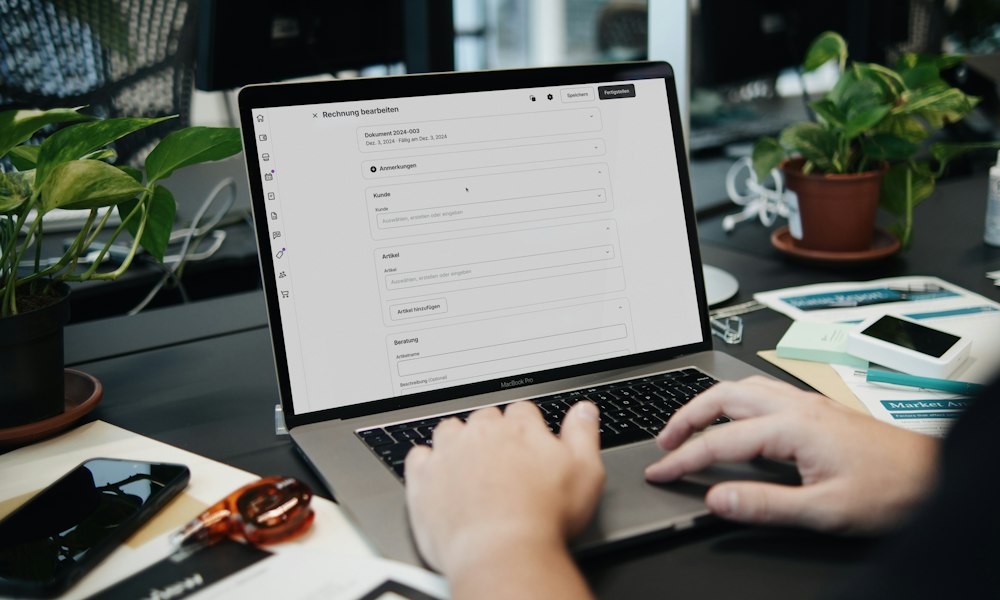
For a UK supplier, HMRC’s VAT number checker is the official place to check a UK VAT number. You need the VAT number itself; HMRC does not allow a search by business name alone. The number may appear on an invoice, receipt, website or HMRC correspondence.
Follow these steps:
- Ask the supplier for its VAT number if it is not shown.
- Open HMRC’s official VAT number checker.
- Enter the number and review the result.
- Compare the registered business name and address returned with the supplier’s details.
- Save a dated record of the outcome and any follow-up messages.
HMRC can confirm whether the number is valid and may return the registered name and address. If you are a VAT-registered UK business, you can also use the service to prove when you checked a number, using your own VAT number. You cannot use it to search for a registration by trading name.
How to check an EU VAT number
To check an EU VAT number, use the European Commission’s VIES VAT number validation service. VIES stands for VAT Information Exchange System. It is a search facility that checks national VAT databases, not a database in its own right. The Commission also explains how VIES works.
- Choose the supplier’s Member State.
- Enter the VAT number.
- Submit the check and review the result.
- Keep a dated record, including any available reference or screenshot.
VAT number formats differ between countries, so don’t assume one format fits all. Since 1 January 2021, VIES no longer validates most UK (GB) VAT numbers, so use HMRC for those. VIES has a separate option for certain Northern Ireland VAT numbers beginning with “XI”, where relevant rules apply.
What if a VAT number is invalid or the details don’t match?
An invalid result is a reason to investigate, not automatic proof of fraud. Check for typing errors, missing digits and the correct country selection. Then ask the supplier to confirm the number and legal business name. Retry later if the service is unavailable.
VIES relies on national databases. A registration may not be active for intra-EU transactions, or the national system may not yet reflect a change. If the number still fails, ask the supplier to contact its tax authority. Don’t alter the number yourself or treat an unverified number as valid.
Does a valid VAT number mean the invoice is correct?
No. A valid number confirms the status returned by the checker; it does not prove that the supply qualifies for a particular VAT treatment. Check the supplier’s identity, what was supplied, invoice details and place-of-supply rules separately.
A valid number also does not automatically mean you can reclaim VAT. HMRC says you need proper evidence, usually a valid VAT invoice, to support an input tax claim. If the invoice details or VAT amount are wrong, ask for a corrected invoice. Our guide to common VAT mistakes covers other errors to avoid, and the same care applies to VAT on bank charges.
Keep evidence of the check
For recurring suppliers, check if the company is VAT registered again when their details change or before an important cross-border transaction. Record the date, number checked, result, supplier identity and relevant correspondence. HMRC requires VAT invoices and relevant purchase and sales records, and general VAT records usually need to be kept for at least six years. See our guide on how long to keep business records and HMRC’s VAT record-keeping guidance.
Can a company be VAT registered below the £90,000 threshold?
Yes. A UK business can register for VAT voluntarily even if its taxable turnover is below £90,000. Equally, not every business must register simply because it exists or sells goods and services. The rules depend on taxable turnover and circumstances.
| Business situation | What it means |
|---|---|
| Taxable turnover below £90,000 | Voluntary registration may be possible |
| Taxable turnover above £90,000 | Registration is generally required, subject to the rules |
| Supplies entirely VAT-exempt or outside the scope | Registration obligations may differ |
The standard UK threshold is based on taxable turnover, not profit. Different rules can apply to overseas businesses supplying the UK. See GOV.UK’s VAT registration guidance for the conditions and exceptions.
Frequently asked questions
How do I check if a UK company is VAT registered?
Use the HMRC VAT number checker and enter its VAT registration number. You cannot search by company name alone.
Can I check a VAT number by company name?
No. HMRC requires the VAT number. Ask the business for it, then compare the official result with its details.
Why does VIES say an EU VAT number is invalid?
The number may be incorrect, not enabled for intra-EU transactions or not yet updated nationally. Confirm it with the supplier and retry.
Is a Companies House number the same as a VAT number?
No. Companies House assigns a company number; HMRC issues a UK VAT registration number.
Can I reclaim VAT if the supplier’s number is valid?
Not on that check alone. You also need a valid VAT invoice and must meet the rules for reclaiming input tax.
Need help with a VAT query?
If you’re unsure whether a supplier is VAT registered, or whether an invoice or cross-border transaction has been treated correctly, our VAT returns and bookkeeping team can help. Contact Cangaf Accountants for practical VAT support.
Related guides: PAYE Penalties Explained: Late Filing, Late Payment and Appeals (2026/27) · Understanding Dormant Company Accounts: What You Need to Know · Filing Company Annual Accounts: Ensuring Compliance and Accuracy