
Table of Contents
Limited company annual accounts are a key responsibility for directors and form an important part of running a compliant business. These accounts provide a detailed view of financial performance while ensuring that legal obligations are met on time.
For many directors, limited company annual accounts may initially seem complex. However, once the structure and purpose are clearly understood, the process becomes much easier to manage. This guide explains the essentials in a simple and practical way so you can stay organised and confident.
What Are Limited Company Annual Accounts?
Limited company annual accounts, also known as statutory accounts, are financial reports prepared at the end of a financial year. They summarise your company’s financial activity and position over that period.
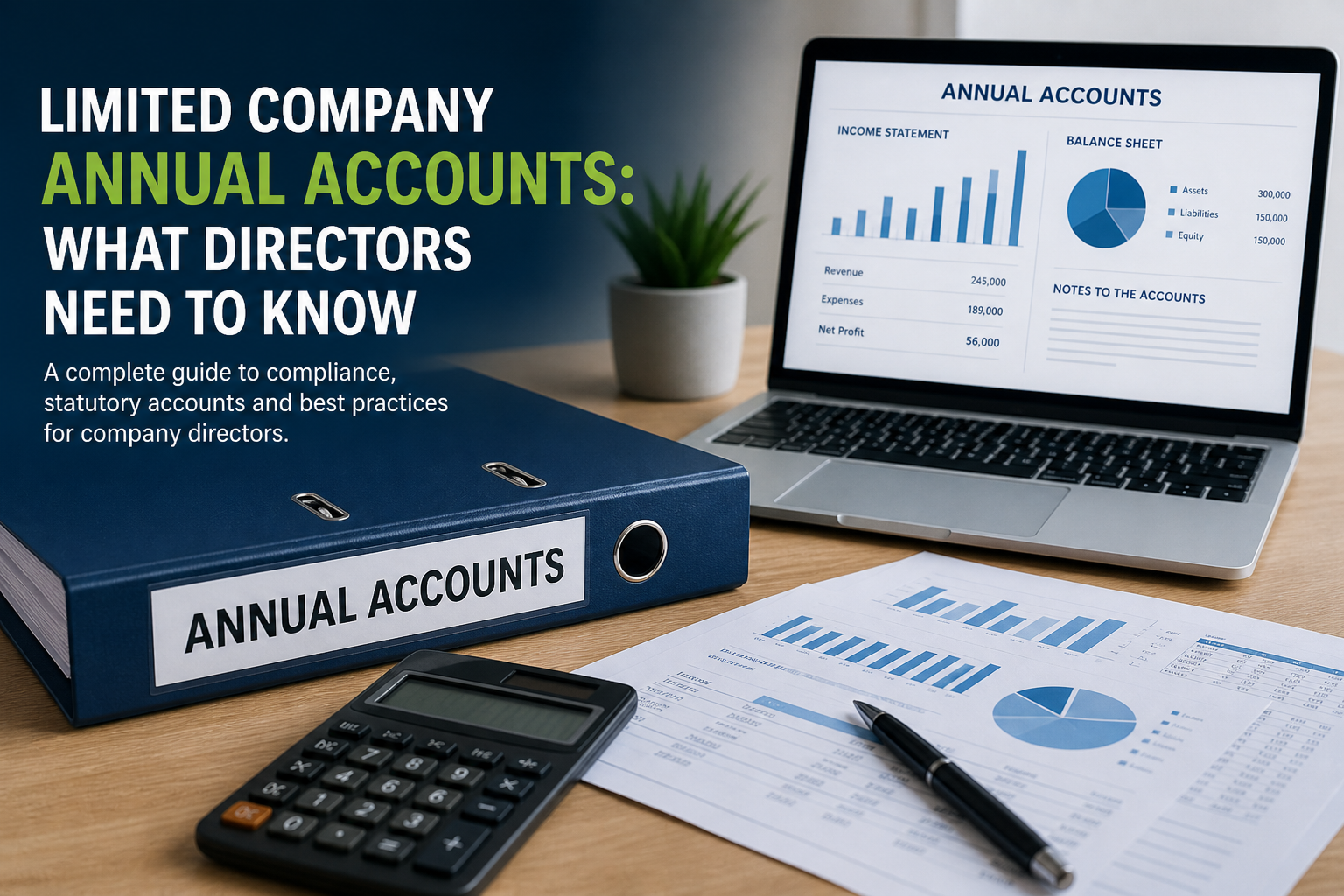
These accounts generally include a balance sheet, a profit and loss account, and supporting notes. Depending on the size of your business, additional reporting requirements may apply.
They must be submitted to Companies House and are also used for corporation tax purposes. Because of this, accuracy and consistency are essential.
Why Annual Accounts Matter for Directors
Annual accounts are not just about compliance; they also help directors understand how their business is performing. By reviewing financial data, you gain insight into profits, costs, and overall stability.
This allows you to make informed decisions, plan ahead, and respond to changes more effectively. For example, identifying rising expenses early can help you adjust your strategy before it becomes a larger issue.
Many directors regularly review their financial position with bolton tax accountants to ensure their records remain accurate and well maintained.
Legal Responsibilities and Deadlines
Directors are legally responsible for preparing and submitting annual accounts. This applies to all limited companies, regardless of size.
Accounts are usually due within nine months after the end of the financial year. Missing deadlines can lead to penalties, so it is important to plan ahead.
Maintaining accurate records throughout the year makes it easier to meet these deadlines and reduces the risk of errors.
What Is Included in Statutory Accounts?
Statutory accounts provide a structured overview of your company’s financial position. Each section has a clear purpose and contributes to the overall report.
Balance Sheet
The balance sheet shows what your company owns and owes at a specific date. It includes assets, liabilities, and shareholder equity, helping you understand financial stability.
Profit and Loss Account
This section records income and expenses over a period. It shows whether your company has made a profit or a loss, which is essential for assessing performance.
Notes to the Accounts
These notes explain the figures included in the accounts. They provide additional context and improve transparency.
How Annual Accounts Support Better Decisions
Annual accounts play a key role in decision-making. They provide reliable data that helps you evaluate your business and plan for the future.
For instance, if your accounts show consistent growth, you may consider expanding operations. On the other hand, if profits are declining, you can investigate and take corrective action.
Reviewing your limited company annual accountsregularly helps you stay informed and in control of your finances.
The Importance of Accurate Record-Keeping
Accurate record-keeping is essential for preparing reliable annual accounts. Without organised records, the process becomes time-consuming and prone to mistakes.
You should maintain records of income, expenses, payroll, and tax-related documents. Keeping everything updated throughout the year ensures a smoother process.
In addition, good record-keeping helps you respond quickly to any financial queries or requirements.
Common Challenges Directors Face
Many directors face challenges when managing annual accounts. Understanding regulations can be difficult, especially if you are not familiar with accounting practices.
Meeting deadlines is another common issue. Without proper planning, it is easy to fall behind. Maintaining accurate records also requires consistency and attention to detail.
Finally, interpreting financial data can be challenging. Understanding what the numbers mean is essential for making informed decisions.
Working with Professional Support
Professional support can make managing annual accounts much easier. It helps ensure accuracy, compliance, and consistency in your financial reporting.
Many directors review their accounts with corporate tax advisors bolton to ensure that their financial data aligns correctly with tax requirements.
This approach reduces the risk of errors and provides additional confidence in your reporting.
Connection Between Annual Accounts and Tax
Annual accounts are closely linked to corporation tax. The figures reported in your accounts are used to calculate how much tax your company needs to pay.
Because of this, accuracy is critical. Errors can lead to incorrect tax calculations and potential compliance issues.
Regular reviews help ensure that your financial data remains consistent and reliable.
Best Practices for Managing Annual Accounts
A structured approach can make managing annual accounts much easier. Keeping records updated throughout the year helps reduce stress and improves accuracy.
Reviewing financial data regularly allows you to identify trends and address issues early. Staying organised also ensures that all information is easy to access when needed.
If you are unsure about any aspect of your accounts, it is always better to clarify early rather than risk making mistakes.
Avoiding Common Mistakes
Some common mistakes can create problems when preparing annual accounts. These include missing deadlines, recording incorrect figures, and failing to keep proper documentation.
Misunderstanding compliance requirements can also lead to errors. By staying organised and reviewing your records regularly, you can avoid these issues.
Consistency and attention to detail are key to ensuring accurate accounts.
How Annual Accounts Reflect Business Growth
Annual accounts provide valuable insights into your business growth. They show how your company has performed over time and highlight important trends.
For example, increasing revenue may indicate successful strategies, while declining profits may signal the need for change.
By analysing your accounts, you can make informed decisions that support long-term growth.
When Should You Start Preparing Accounts?
It is best to start preparing your accounts well before the deadline. Waiting until the last moment increases the risk of errors and delays.
Maintaining records throughout the year and reviewing financial data regularly helps ensure a smoother process. Starting early also reduces pressure and improves accuracy.
Staying Consistent with Compliance
Consistency is important when managing annual accounts. Following a structured routine each year makes the process more efficient.
Using the same accounting methods, keeping records organised, and monitoring deadlines carefully can help you stay compliant.
Over time, this approach makes managing your accounts much easier.
Final Thoughts
Limited company annual accounts are a vital part of running a business. They ensure compliance, provide financial insights, and support better decision-making.
By understanding the process and maintaining accurate records, directors can manage their responsibilities effectively. If you need further clarification, you can contact us for more information.
Frequently Asked Questions (FAQs)
1. What are limited company annual accounts?
Limited company annual accounts are financial reports prepared at the end of each financial year. They include key documents such as the balance sheet and profit and loss account. These reports show the company’s financial position and performance. They must follow legal standards and be submitted properly. Directors are responsible for ensuring their accuracy.
2. When should annual accounts be submitted?
Annual accounts are usually due within nine months after the financial year ends. This deadline must be followed carefully to avoid penalties. Late submissions can lead to additional charges and complications. Preparing accounts early helps avoid these issues. Keeping records updated makes the process easier.
3. What happens if accounts are filed late?
Late filing can result in penalties that increase over time. It may also affect your company’s compliance record. Repeated delays can raise concerns with authorities. In addition, it can create unnecessary stress for directors. Planning ahead helps avoid these problems.
4. Do all companies need statutory accounts?
Yes, all limited companies must prepare statutory accounts each year. Smaller companies may submit simplified versions, but the requirement still applies. Accurate records must always be maintained. These accounts must meet legal standards. Proper preparation ensures compliance.
5. Can directors prepare accounts themselves?
Directors can prepare accounts if they understand accounting rules and requirements. However, the process can be complex and time-consuming. Errors may lead to compliance or tax issues. Many directors prefer to review their accounts carefully. This helps ensure accuracy and confidence.
Further reading and official guidance
More guides and tools from our team:
Official guidance from HMRC and GOV.UK: